
Do you need AWD on an EV in Norway?
What AWD helps with on an EV in Norway, what it does not solve, and when two-wheel drive may be enough — catalog evidence, not a ranking.
What all-wheel drive actually helps with
AWD spreads traction across more wheels. On an EV you notice it most on slippery surfaces, steep driveways, and icy pull-aways — not as a substitute for winter tyres and preconditioning.
If you often drive unlit county roads, have a steep yard, or tow a trailer, the extra grip can matter. It is a traction choice, not a guarantee that the car is right for you.
What AWD does not solve
All-wheel drive does not give you more range. An extra motor can increase consumption. Catalog WLTP figures are lab numbers, not winter range — use the range calculator for a more realistic estimate.
AWD also does not fix low ground clearance, too little cargo space, or a tight budget. Unknown catalog fields — such as a missing battery size — stay unknown. They are not scored as a plus or a minus.
AWD versus two-wheel drive
Typical trade-offs: AWD often costs more, can weigh more, and may use more energy. 2WD is often cheaper and simpler, and is enough for many drivers when tyres and speed are sensible.
Browse the vehicle catalog if you want to see which models are offered with both drivetrains. This page does not rank them.
What the EV catalog shows now
Right now 39% of catalog models have all-wheel drive (62 of 159). The share changes when catalog data is refreshed.
Catalog median price: 633 000 kr for AWD variants and 400 000 kr for two-wheel drive. These are observations, not an argument that one group “wins”.
Median WLTP range: 521 km (AWD) and 430 km (2WD). WLTP is not winter range.
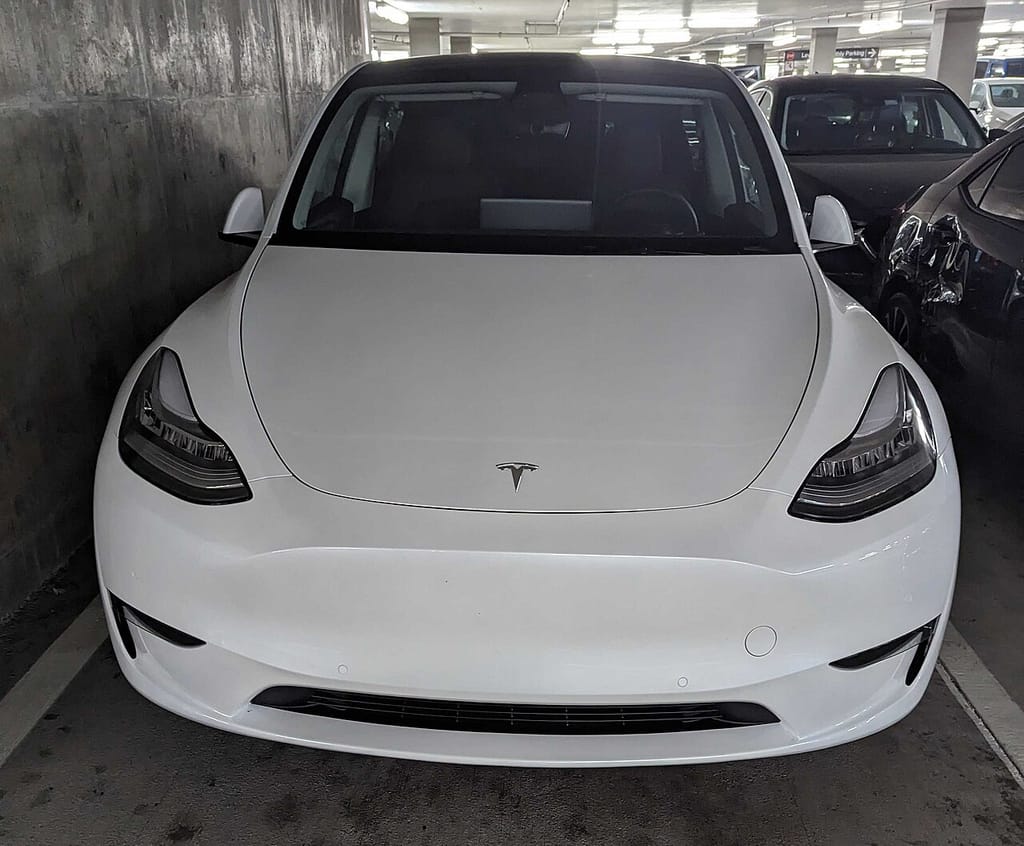
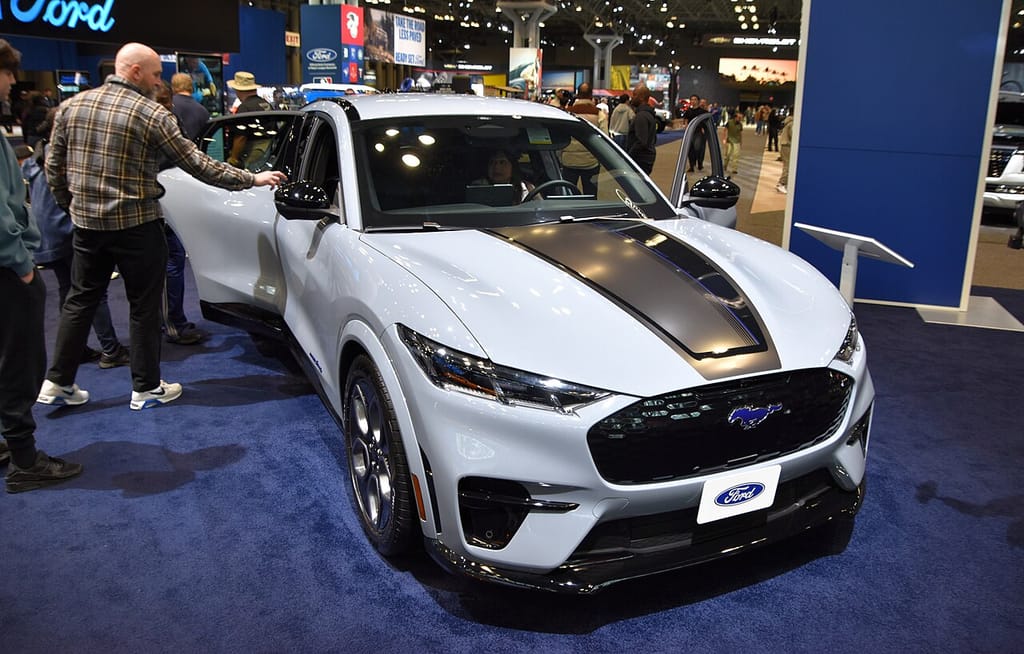
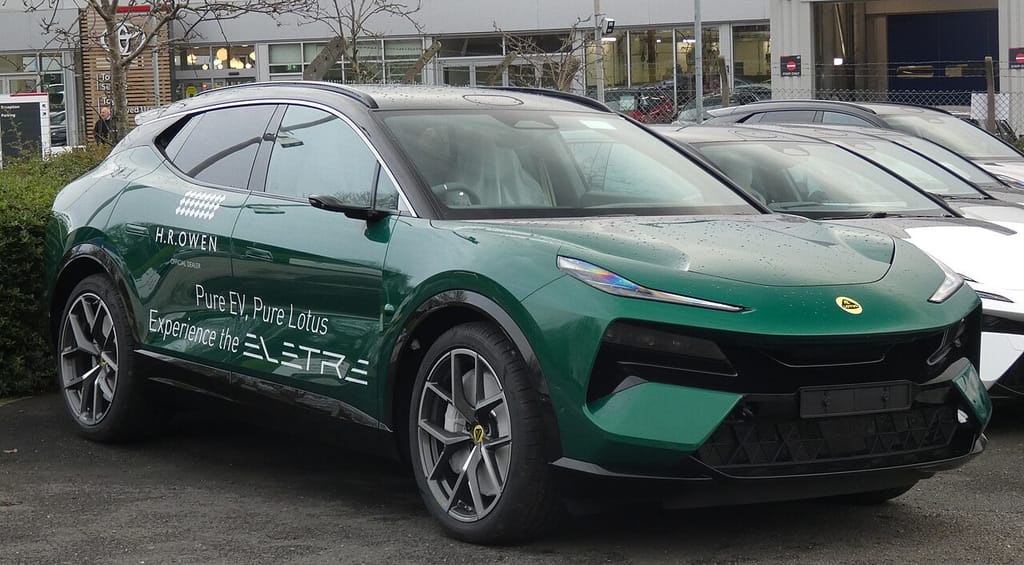
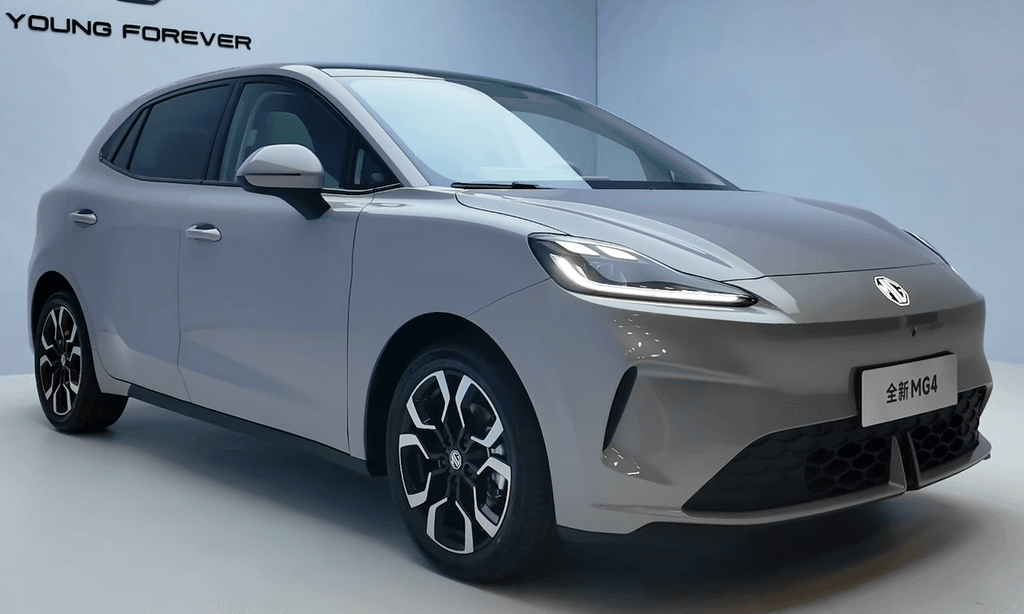
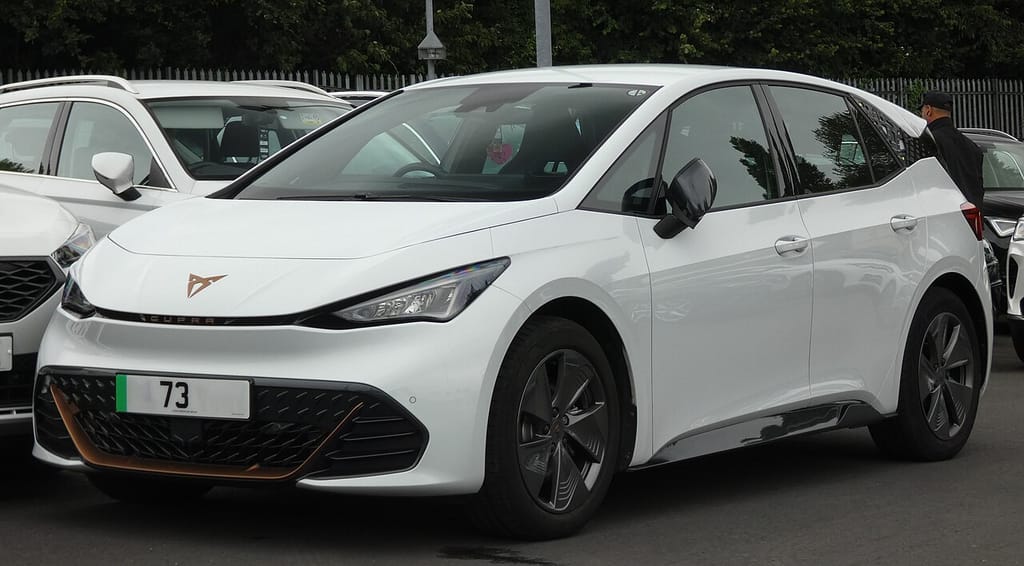
The cars below are representative examples spread within the AWD/2WD groups, not the cheapest and most expensive, and not winners.
Representative AWD examples
Catalog examples, not a ranking.
Representative 2WD examples
Catalog examples, not a ranking.
When AWD is probably worth prioritising
Prioritise AWD if you regularly drive on slippery winter roads, have a steep driveway, live where roads are rarely ploughed, or need extra grip when towing. Then all-wheel drive is a need — not because you read this guide.
When two-wheel drive may be enough
2WD can be enough if you mostly drive in town and on main roads, use proper winter tyres, can precondition the car, and rarely need extra grip. Then the extra price and energy use of AWD can be a poor trade.
Data sources and limitations
- Structured vehicle data provides the evidence. AI may help explain it, but does not determine the evidence or rank vehicles.
- We compare cars using the same structured vehicle data as the rest of EV Advisor.
- This is not a personal recommendation.
- Vehicle facts such as price, WLTP and charging refresh from structured catalog data. Unknown fields stay unknown. This guide does not use personal match, internal winter or family scores, or a top 10.
Related tool on EV Advisor
Browse EVs in the catalogFAQs
No. AWD can increase consumption. Use the range calculator for a winter estimate, and read EVs in winter for tyres, preconditioning, and cold weather.
Found this guide useful? Share it.
More EV guides
Winter, charging, costs, and model spotlights — browse the full library.
Do you need AWD?
Answer a few questions about winter, daily driving and budget — we’ll find cars that fit you. This guide does not assume you have already decided you need AWD.
Find your match